MAIN EVENT
MAIN EVENT
CASE STUDY • 01
CASE STUDY • 01
FIGHT NIGHT
FIGHT NIGHT
RED CORNER
RED CORNER
Crave
Crave
Crave
Smart
Smart
Smart
"The healthy challenger"
FRAMEWORK
MCP Model
PALLETE
Indian - first
WEAPON
AI - Powered swap
STANCE
Tasty + Guilt free
VS
VS
VS
BLUE CORNER
BLUE CORNER
The
The
The
Junk Craving
Junk Craving
Junk Craving
"The Reigning champion"
TRIGGER
Sudden Craving
PLATFORM
Swiggy - Zomato
WEAPON
Decision Faituge
OUTCOME
Junk + Guilt
DURATION
4 Weeks
YEAR
2025
ROLE
Product Designer
Watch the fight
↓
ROUND 01 • THE PROBLEM
ROUND 01 • THE PROBLEM
The Cravings keep winning
The Cravings keep winning
People experience specific taste-bud cravings but waste time doomscrolling through thousands of generic options, leading to decision fatigue and unhealthy choices. Indian users need flavorful options that satisfy cravings without compromising health.
People experience specific taste-bud cravings but waste time doomscrolling through thousands of generic options, leading to decision fatigue and unhealthy choices. Indian users need flavorful options that satisfy cravings without compromising health.
People experience specific taste-bud cravings but waste time doomscrolling through thousands of generic options, leading to decision fatigue and unhealthy choices. Indian users need flavorful options that satisfy cravings without compromising health.
KEY INSIGHT
These apps have already created a strong habit. My challenge was to hijack this habit loop and redirect it toward healthier outcomes
KEY INSIGHT
These apps have already created a strong habit. My challenge was to hijack this habit loop and redirect it toward healthier outcomes
KEY INSIGHT
These apps have already created a strong habit. My challenge was to hijack this habit loop and redirect it toward healthier outcomes
MARKET RESEARCH • GOOGLE TRENDS DATA
The Junk Food Dilemma: India's Growing Health Awareness
The Junk Food Dilemma: India's Growing Health Awareness
The Junk Food Dilemma: India's Growing Health Awareness
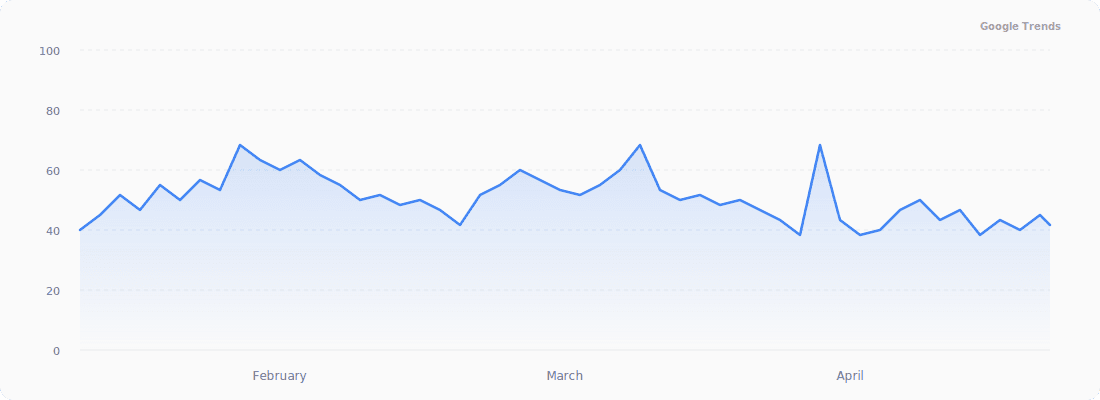
Search data revealed a critical insight: 7 out of 10 top queries combine "healthy" with "junk food" — people don't want to give up cravings, they want healthier alternatives.
Search trend analysis reveals the ongoing conflict between cravings and health consciousness in India (Past 3 months)
60-80
60-80
SEARCH INTEREST
SEARCH INTEREST
+150%
+150%
" JUNK FOOD NEAR ME"
" JUNK FOOD NEAR ME"
10
RELATED QUERIES
RELATED QUERIES
90 Days
90 Days
DATA PERIOD
DATA PERIOD
Interest Over Time: "Junk Food"
Interest Over Time: "Junk Food"
🇮🇳 India
🇮🇳 India
📅 Past 3 Months
📅 Past 3 Months
🌐 Web Search
🌐 Web Search
Top Related Queries
1
healthy food junk food
-2%
2
Healthy food
-2%
3
healthy food junk food
-2%
4
healthy
-3%
5
Junk food, Healthy food
-2%
Rising queries breakout trends
1
Low calorie junk food
BREAKOUT
2
Junk food pics
BREAKOUT
3
Chopsticks
BREAKOUT
4
Junk food near me
+150%
5
Healthy food vs junk food
+110%
Top Related Queries
1
healthy food junk food
-2%
2
Healthy food
-2%
3
healthy food junk food
-2%
4
healthy
-3%
5
Junk food, Healthy food
-2%
Rising queries breakout trends
Rising queries breakout trends
1
Low calorie junk food
BREAKOUT
2
Junk food pics
BREAKOUT
3
Chopsticks
BREAKOUT
4
Junk food near me
+150%
5
Healthy food vs junk food
+110%
💡 Key Insights for CraveSmart
Key Insights for CraveSmart
The Healthy-Junk Paradox: 7 out of 10 top queries combine "healthy" + "junk food"
— people want both indulgence AND health
The Healthy-Junk Paradox: 7 out of 10 top queries combine "healthy" + "junk food"
— people want both indulgence AND health
+150% rise in "Junk Food Near Me": Users want instant gratification — speed and convenience are critical
+150% rise in "Junk Food Near Me": Users want instant gratification — speed and convenience are critical
Market Opportunity: There's a clear gap between what people crave (junk food) and what they want (healthy options) — CraveSmart solves this exact problem
Market Opportunity: There's a clear gap between what people crave (junk food) and what they want (healthy options) — CraveSmart solves this exact problem
Consistent 60-80 search interest: This isn't a fad — junk food cravings are a persistent, daily challenge
Consistent 60-80 search interest: This isn't a fad — junk food cravings are a persistent, daily challenge
ROUND 02 • THE COUNTER
ROUND 02 • THE COUNTER
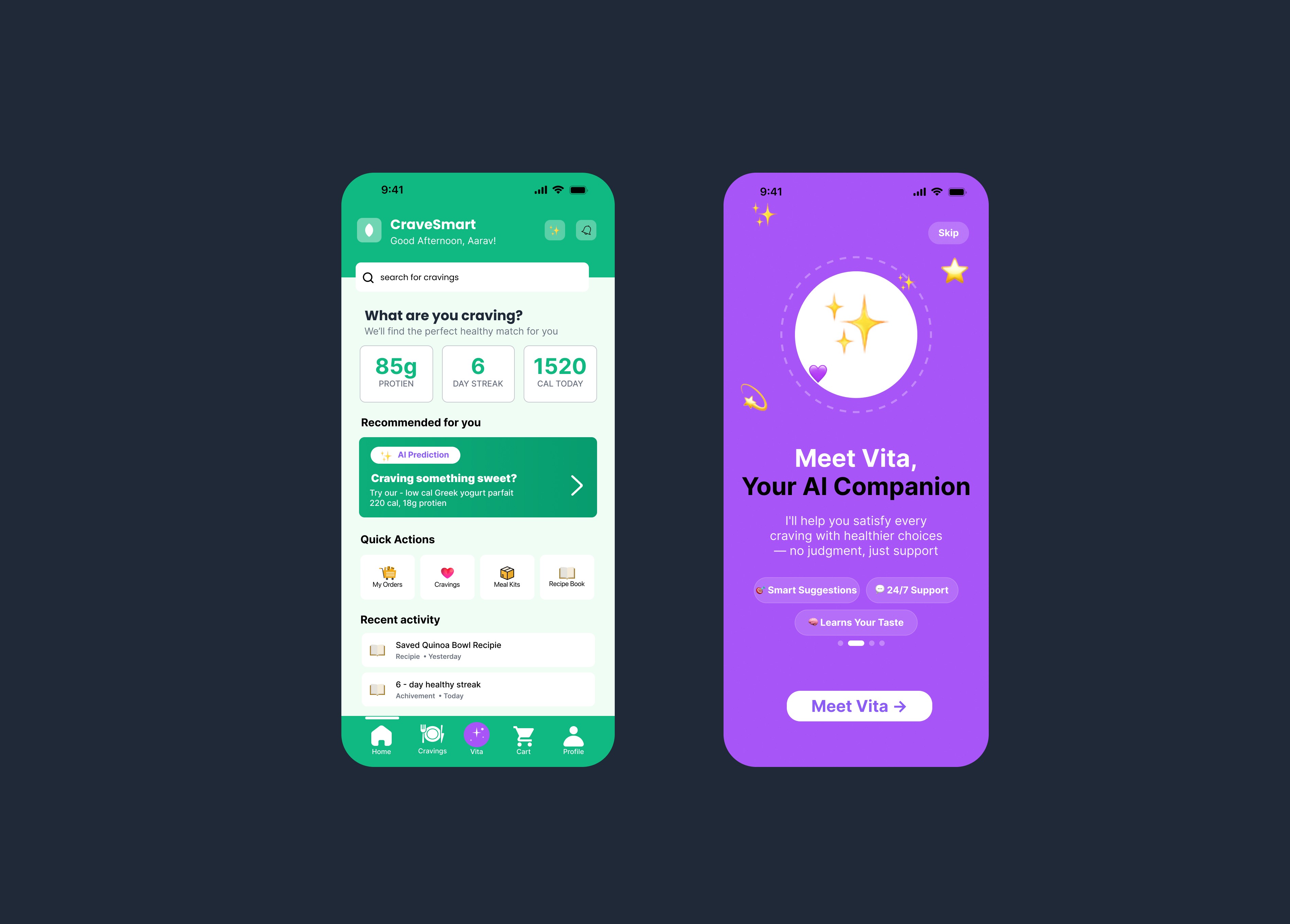
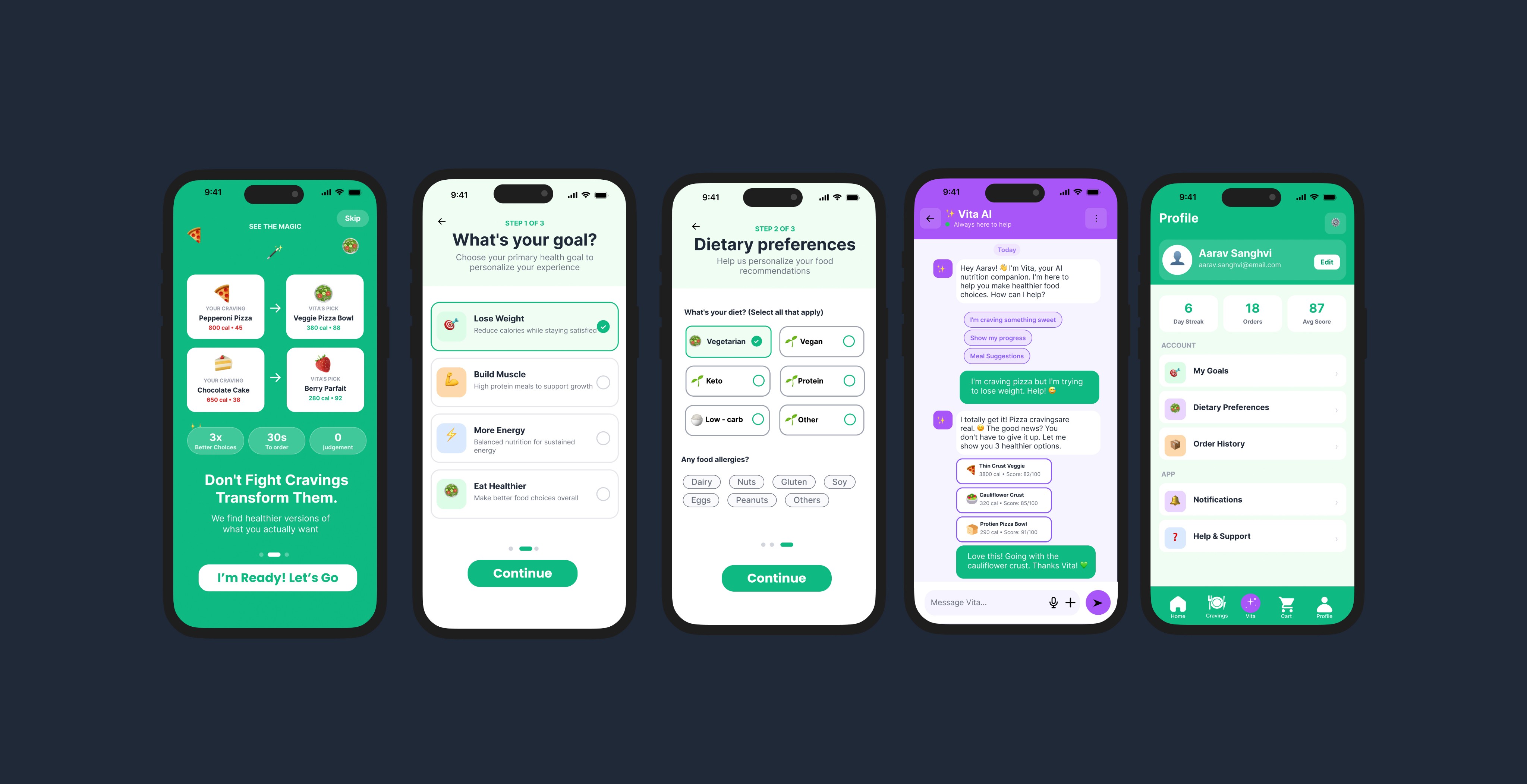
CraveSmart intercepts the craving before the doomscroll begins. Instead of fighting existing habits, I hijacked the same psychological mechanisms that make food apps addictive and redirected them toward healthier outcomes.
CraveSmart intercepts the craving before the doomscroll begins. Instead of fighting existing habits, I hijacked the same psychological mechanisms that make food apps addictive and redirected them toward healthier outcomes.
CraveSmart intercepts the craving before the doomscroll begins. Instead of fighting existing habits, I hijacked the same psychological mechanisms that make food apps addictive and redirected them toward healthier outcomes.
Cognitive Biases I Solved For
Cognitive Biases I Solved For
Cognitive Biases I Solved For
1. Hick's Law: Choice Paralysis → Top 3 Recommendations
1. Hick's Law: Choice Paralysis → Top 3 Recommendations
1. Hick's Law: Choice Paralysis → Top 3 Recommendations
Instead of showing 1,000 options, I show only the top 3 healthiest alternatives for each craving. The AI does the cognitive work—users just pick what appeals to them. Less thinking, faster decisions, better outcomes.
Instead of showing 1,000 options, I show only the top 3 healthiest alternatives for each craving. The AI does the cognitive work—users just pick what appeals to them. Less thinking, faster decisions, better outcomes.
Instead of showing 1,000 options, I show only the top 3 healthiest alternatives for each craving. The AI does the cognitive work—users just pick what appeals to them. Less thinking, faster decisions, better outcomes.
2. Doomscroll Trap → Craving-Based Navigation
2. Doomscroll Trap → Craving-Based Navigation
2. Doomscroll Trap → Craving-Based Navigation
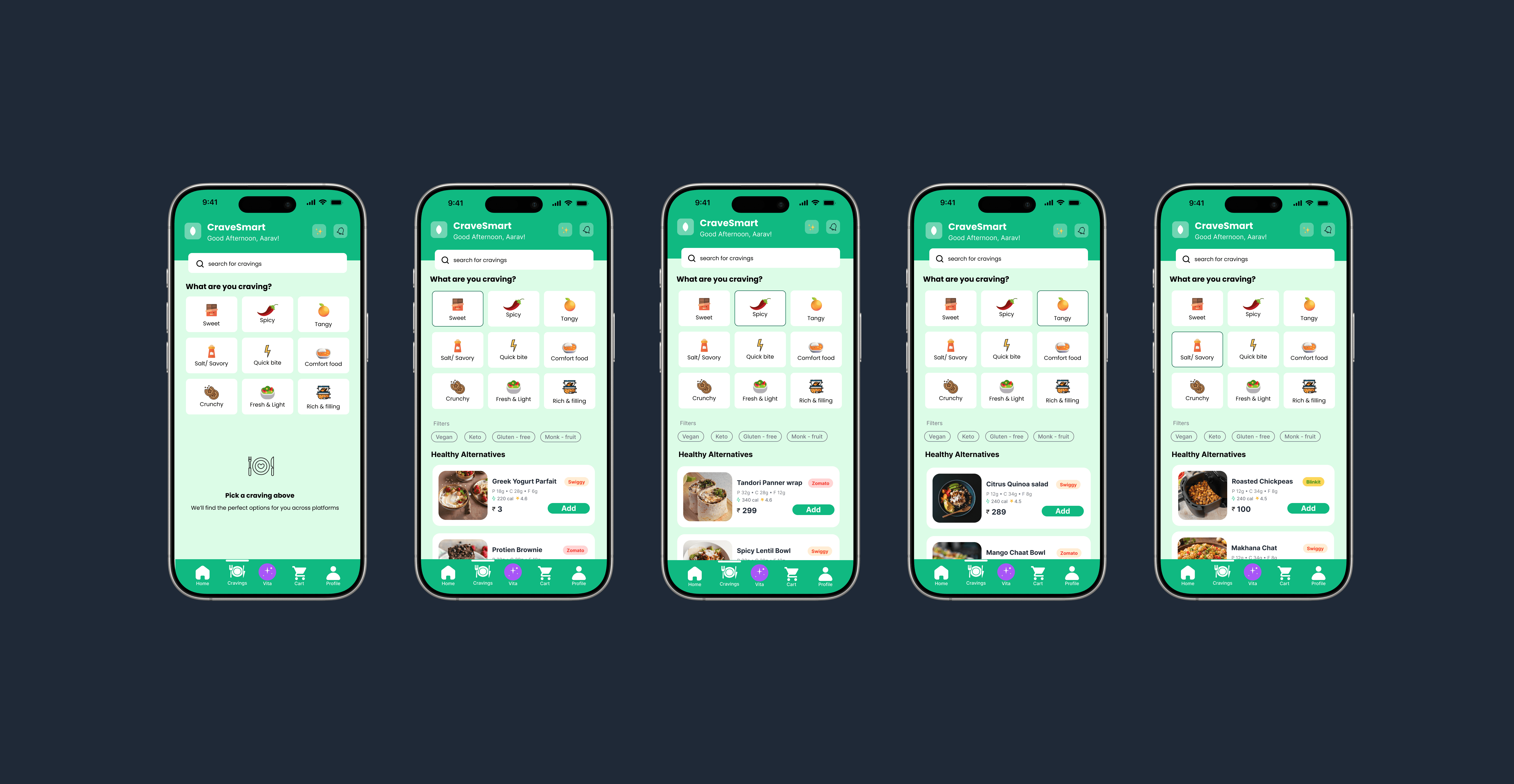
Rather than endless scrolling, users select their craving type (Sweet, Spicy, Tangy, Comfort, Crunchy) and get instant matches. The flow takes 30 seconds, 3 taps total—from craving to healthy order.
Rather than endless scrolling, users select their craving type (Sweet, Spicy, Tangy, Comfort, Crunchy) and get instant matches. The flow takes 30 seconds, 3 taps total—from craving to healthy order.
3. AI Agent (Vita) as Decision Support
Rather than endless scrolling, users select their craving type (Sweet, Spicy, Tangy, Comfort, Crunchy) and get instant matches. The flow takes 30 seconds, 3 taps total—from craving to healthy order.
3. AI Agent (Vita) as Decision Support
3. AI Agent (Vita) as Decision Support
Vita understands your cravings, dietary preferences, and health goals. She learns what you like and suggests options tailored to you—not generic "healthy food," but food you'll actually enjoy. The AI gets smarter with every order.
Vita understands your cravings, dietary preferences, and health goals. She learns what you like and suggests options tailored to you—not generic "healthy food," but food you'll actually enjoy. The AI gets smarter with every order.
Vita understands your cravings, dietary preferences, and health goals. She learns what you like and suggests options tailored to you—not generic "healthy food," but food you'll actually enjoy. The AI gets smarter with every order.
4. Indian Flavor First
As Indians, we can't eat bland food. Every option is optimized for Indian taste preferences—masala, spice, richness—but made healthier. No salads nobody wants. Real food people actually crave.
4. Indian Flavor First
4. Indian Flavor First
As Indians, we can't eat bland food. Every option is optimized for Indian taste preferences—masala, spice, richness—but made healthier. No salads nobody wants. Real food people actually crave.
As Indians, we can't eat bland food. Every option is optimized for Indian taste preferences—masala, spice, richness—but made healthier. No salads nobody wants. Real food people actually crave.
THE WEAPONS · Key Design Decisions
THE WEAPONS · Key Design Decisions
• Craving-based discovery: Tap "Spicy" → See Paneer Tikka Bowl (22g protein, 88/100 health score)
• Top 3 only: Eliminates paradox of choice
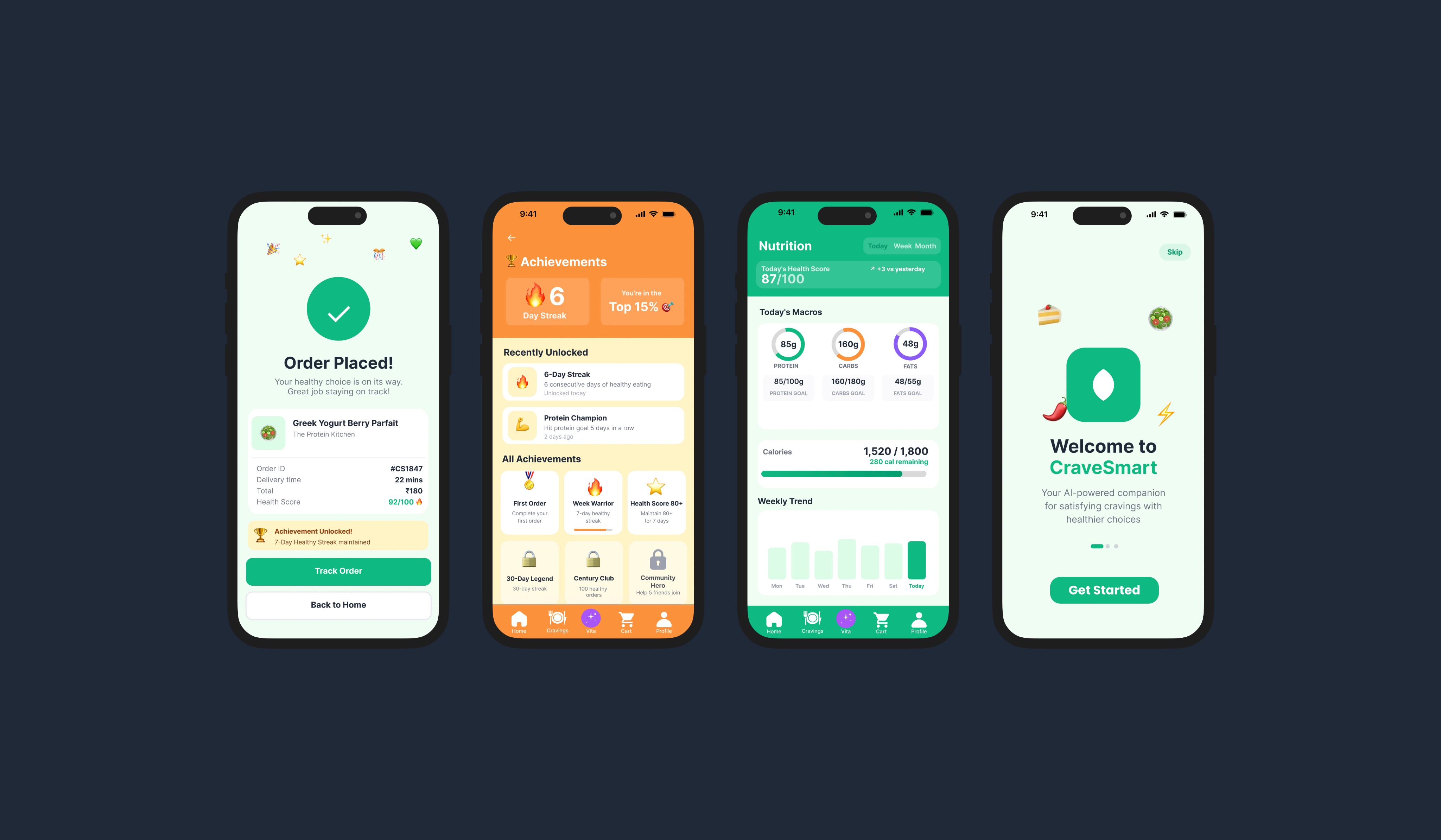
• Health scores (0-100): Instant clarity on nutritional value
• Vita AI: Learns preferences, suggests better options over time
• 30-second ordering: Minimal friction from craving to checkout
• Craving-based discovery: Tap "Spicy" → See Paneer Tikka Bowl (22g protein, 88/100 health score)
• Top 3 only: Eliminates paradox of choice
• Health scores (0-100): Instant clarity on nutritional value
• Vita AI: Learns preferences, suggests better options over time
• 30-second ordering: Minimal friction from craving to checkout
POST FIGHT BREAKDOWN · What I learned
Good habits and bad habits use identical psychological mechanisms—the difference is the outcome.
By understanding how food delivery apps created unhealthy habits (endless options, variable rewards, frictionless ordering), I designed CraveSmart to use those same loops for healthier eating.
The insight: don't fight cravings, transform them. People want permission to indulge. CraveSmart gives them that permission—with healthier alternatives that still satisfy.
What I Learned
Good habits and bad habits use identical psychological mechanisms—the difference is the outcome.
By understanding how food delivery apps created unhealthy habits (endless options, variable rewards, frictionless ordering), I designed CraveSmart to use those same loops for healthier eating.
The insight: don't fight cravings, transform them. People want permission to indulge. CraveSmart gives them that permission—with healthier alternatives that still satisfy.
CLOSING THOUGHTS
CLOSING THOUGHTS
"The goal was never to make people eat healthy. It was to make the healthy choice feel like the obvious one — at the moment it matters most."
"The goal was never to make people eat healthy. It was to make the healthy choice feel like the obvious one — at the moment it matters most."
"Habits aren't built by adding features—they're built by removing friction, creating unpredictability, and making each use more valuable than the last. Design for Day 365, not Day 1."
"Habits aren't built by adding features—they're built by removing friction, creating unpredictability, and making each use more valuable than the last. Design for Day 365, not Day 1."
"Habits aren't built by adding features—they're built by removing friction, creating unpredictability, and making each use more valuable than the last. Design for Day 365, not Day 1."